Almost four in ten firms are unable to explain identity-based decisions taken during audits and regulatory assessments, according to Regula’s latest global research. The findings highlight an increasing need for more robust identity verification processes across the client lifecycle. For many organizations, identity verification ends once onboarding is complete. So that means compliance teams will only get a verification result. However, in later evaluations they may not have access to the underlying identity evidence.
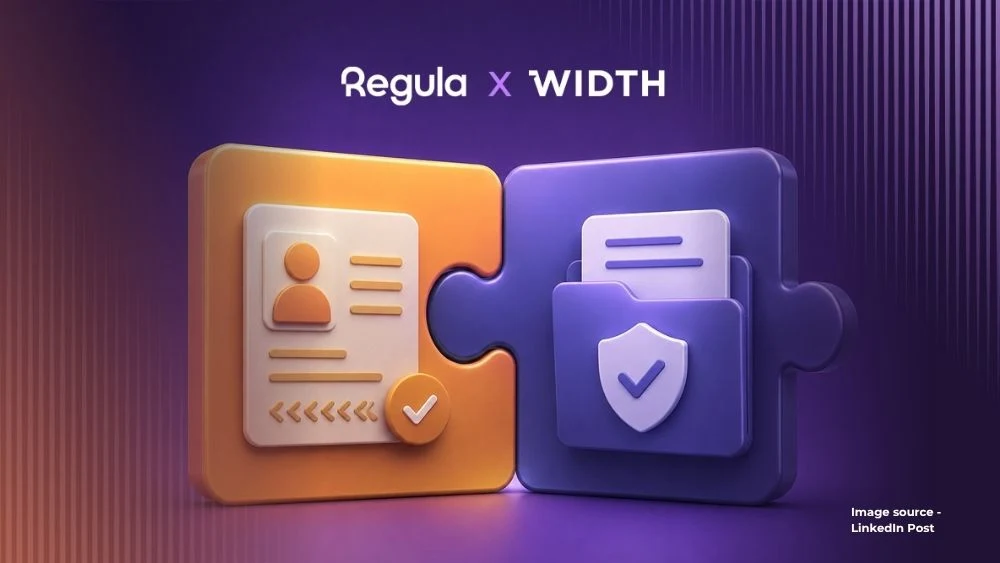
It makes the screening, monitoring, inquiries and regulatory audits difficult. Therefore, companies want to have the identity proof available after the first onboarding level. To solve this problem, Regula has partnered with WIDTH. Regula provides solutions for international identification verification. WIDTH provides a platform for compliance decision intelligence. The partnership seeks to link verified identification data into wider compliance and risk workflows. Consequently, enterprises can employ trusted identification evidence post-onboarding. This approach can support compliance decisions throughout the client relationship.
By integrating Regula Document Reader SDK into the WIDTH platform, verified identity information is brought into each customer’s risk profile. Organizations could store this data in several identity verification systems. Teams now have the ability to attach verified identification evidence to more robust compliance processes. These include screening, investigations, transaction monitoring, case management and audits. Thus, compliance experts may be able to get more relevant data when assessing consumer risk. Also, the connectivity enables companies to connect identity verification to other compliance decisions.
Connecting Identity Verification With Compliance Operations
The partnership combines two complementary technologies. Regula is about creating reliable identity evidence. It does this by authenticating identity documents and checking the data held in them Meanwhile, WIDTH extends that evidence into compliance workflows. The platform links identity information with customer risk profiles and sanctions screening. It also provides PEP screening, KYB data and transaction monitoring.
WIDTH also connects identity evidence to case management and investigations. It also provides audit trails for enhanced compliance monitoring. The link allows organizations to use the proof of identity in subsequent risk decisions. This lets companies move away from viewing verification as a separate onboarding process. Alternatively, they can connect verification results with continuous compliance activities. This could provide teams with more context when conducting customer reviews.
“Trusted identity evidence is a critical foundation for effective compliance operations. Regula brings deep expertise in identity verification, document authentication, and biometrics, and, while WIDTH connects these capabilities into a broader compliance and risk decisioning workflow. Together, we can help regulated institutions strengthen onboarding, fraud prevention, case review, and auditability across the customer lifecycle,” says Chionh Chye Kit, Co-Founder & CEO, WIDTH.
The partnership can also assist regulated organizations improve their customer risk assessment. Compliance teams may consider the verified identity evidence and other risk indicators. This can help in making more informed decisions at different points in the customer life cycle.
Driving More Intelligent Compliance Decisions
The approach is particularly relevant for industries that are subject to regulations. Combined with other consumer data, identity verification results can be more valuable to these firms. In addition to proof of verified identity, teams can also examine ownership structures and matches of punishment. You can also take transaction activity and device intelligence into account.
The investigators can also look at the case history and notes from previous investigations. This holistic view might be helpful for compliance teams to understand consumer behavior. It can also support decisions on whether to approve, escalate or reject a client. The strategy also addresses a common compliance problem. Months after the onboarding process, teams may need to review identity evidence. Understanding that an identity having passed verification during such assessments may not be sufficient.
But instead compliance experts might want to know how the identity was verified. They might need to be certain that the documentation that goes with it is right. Therefore, to support ongoing compliance efforts, it may be helpful to have identity documentation on hand.
“Compliance teams don’t just need to know that an identity was verified. They need to understand why they can trust it months later during an investigation or regulatory review. At Regula, we build that trust through border-grade document authentication that validates both the authenticity of an identity document and the integrity of the data it contains. Together with WIDTH, we’re helping organizations ensure that this evidence doesn’t remain isolated at onboarding but continues to support compliance teams throughout the entire customer lifecycle,” comments Ihar Kliashchou, Chief Technology Officer at Regula.
Regula and WIDTH hope their relationship will help enterprises sustain more robust compliance procedures. The integration preserves the linkage between identification evidence and broader risk decision processes. Thus, companies can benefit from validated data at any step of the client’s life.
This approach also helps with regulatory readiness and fraud prevention. It can also improve compliance investigations and case reviews. Ultimately, the partnership ties identity verification to the wider compliance ecosystem.
Explore HR Tech News for the latest advancements in Human Resources Technologies and insightful updates from industry experts!
News Source: GlobeNewswire.com